


Jaw Crusher Machine
Commonly known as jaw crusher, also known as tiger mouth. A crusher consisting of two jaw plates, a moving jaw and a stationary jaw, that simulates the movement of animals' two jaws to complete material crushing operations. Widely used in industries such as mining and smelting, building materials, highways, railways, water conservancy, and chemical engineering for the medium and large-sized crushing of various ores and bulk materials. The compressive strength of the crushed material can reach 320Mpa, which is an advantage
1. Effectively solved the problem of high operation rate and no maintenance time caused by low output of the original limestone crusher.
2. It can complete the crushing of large pieces of limestone, with a particle size of up to 1000 * 1200mm, effectively solving the problem of "tight supply of limestone on one side and inability to use a large amount of large pieces of limestone stored on the other".
3. The mixing uniformity of the two materials is good, and the dosage of desulfurization limestone is significantly increased. The dosage can reach 60%, effectively reducing the cost of raw materials.
4. Electricity consumption has decreased.
5. The small particle size of waste, only 2-15mm, effectively solves the problem of large limestone particle size, frequent blockage and even affecting the output of the grinding machine.
Working principle of jaw crusher:
During operation, the electric motor drives the eccentric shaft to rotate through the pulley, causing the movable jaw to periodically approach and leave the fixed jaw, resulting in multiple crushing processes such as squeezing, rubbing, and grinding of the material, causing it to gradually fall from large to small until it is discharged from the discharge port.
Common faults and troubleshooting methods of E-type crusher:
The jaw crusher is the core equipment for crushing operations, and common faults are mainly concentrated in abnormal noise, material jamming, and low output. The following are specific faults, causes, and corresponding troubleshooting methods:
There are abnormal noises during the operation of the equipment
ossible reasons
1. There are hard objects such as iron blocks sandwiched between the movable jaw and the fixed jaw.
2. Bearing wear, excessive clearance, or insufficient lubrication.
3. The keyway of the flywheel and pulley is loose or damaged.
4. The lining plate of the crushing chamber is loose or detached.
Exclusion method
1. Immediately stop the machine, cut off the power, and clean the hard debris inside the crushing chamber.
2. Check the bearings and replace them if they are severely worn; Add lubricating grease to ensure sufficient lubrication.
3. Replace the damaged key, reinstall the flywheel and pulley, and ensure a tight fit.
4. Tighten the bolts of the lining plate. If the lining plate is damaged, replace it with a new one.
-Possible reasons:
1. The feed particles are too large, exceeding the maximum feed size specified by the equipment.
2. The discharge port is too small, and the crushed materials cannot be discharged in a timely manner.
3. The material has a high moisture content and is prone to sticking in the crushing chamber.
-Exclusion method:
1. Clean up the stuck materials after shutdown, and control the particle size within the specified range for subsequent feeding.
2. Adjust the size of the discharge port to ensure smooth discharge of materials.
3. Pre treat materials with high moisture content (such as drying) or reduce the amount of single feed.

Significant decrease in production
Possible reasons:
1. The discharge port is blocked, and the accumulation of materials affects the feeding.
2. The lining plate is severely worn, the crushing gap increases, and the crushing efficiency decreases.
3. Insufficient motor power or belt slippage leads to insufficient crushing force.
4. Uneven feeding with varying amounts of time.
Exclusion method
1. Clean the blockage at the discharge port to ensure smooth discharge.
2. Check the wear of the lining plate, replace the lining plate if it is severely worn, and adjust the crushing gap.
3. Check if the motor power matches, replace the slipping belt, and adjust the belt tension.
4. Optimize the feeding method to ensure uniform and continuous feeding.
The bearing temperature is too high
-Possible reasons:
1. Insufficient, deteriorated or contaminated lubricating grease.
2. Improper installation of bearings, with clearance being too small or too large.
3. Bearing damage (such as ball wear, cage fracture).
-Exclusion method:
1. Clean the bearings after stopping the machine, replace them with new lubricating grease that meets the specifications, and ensure that the amount is appropriate.
2. Reinstall the bearings and adjust the clearance.
If the bearing is damaged, replace it with a new one directly.
Stop moving the jaw
Possible reasons
1. Motor burnout or circuit failure (such as blown fuses or damaged contactors).
2. The bearing between the eccentric shaft and the connecting rod is stuck.
3. Belt breakage.
Exclusion method
1. Check the circuit, replace the burnt motor, fuse or contactor, and restore the circuit to normal.
2. Disassemble the eccentric shaft and connecting rod assembly, clean the stuck parts, replace damaged parts, and re lubricate.
3. Replace the belt with a new one, adjust the position of the pulley, and ensure that the belt tension is appropriate
Common faults and troubleshooting methods of E-type crusher:
The jaw crusher is the core equipment for crushing operations, and common faults are mainly concentrated in abnormal noise, material jamming, and low output. The following are specific faults, causes, and corresponding troubleshooting methods:
There are abnormal noises during the operation of the equipment
-Possible reasons:
1. There are hard objects such as iron blocks sandwiched between the movable jaw and the fixed jaw.
2. Bearing wear, excessive clearance, or insufficient lubrication.
3. The keyway of the flywheel and pulley is loose or damaged.
4. The lining plate of the crushing chamber is loose or detached.
-Exclusion method:
1. Immediately stop the machine, cut off the power, and clean the hard debris inside the crushing chamber.
2. Check the bearings and replace them if they are severely worn; Add lubricating grease to ensure sufficient lubrication.
3. Replace the damaged key, reinstall the flywheel and pulley, and ensure a tight fit.
4. Tighten the bolts of the lining plate. If the lining plate is damaged, replace it with a new one.
Crushing chamber jamming (blockage)
Possible reasons
1. The feed particles are too large, exceeding the maximum feed size specified by the equipment.
2. The discharge port is too small, and the crushed materials cannot be discharged in a timely manner.
3. The material has a high moisture content and is prone to sticking in the crushing chamber.
Exclusion method
1. Clean up the stuck materials after shutdown, and control the particle size within the specified range for subsequent feeding.
2. Adjust the size of the discharge port to ensure smooth discharge of materials.
3. Pre treat materials with high moisture content (such as drying) or reduce the amount of single feed
Significant decrease in production
-Possible reasons:
1. The discharge port is blocked, and the accumulation of materials affects the feeding.
2. The lining plate is severely worn, the crushing gap increases, and the crushing efficiency decreases.
3. Insufficient motor power or belt slippage leads to insufficient crushing force.
4. Uneven feeding with varying amounts of time.
-Exclusion method:
1. Clean the blockage at the discharge port to ensure smooth discharge.
2. Check the wear of the lining plate, replace the lining plate if it is severely worn, and adjust the crushing gap.
3. Check if the motor power matches, replace the slipping belt, and adjust the belt tension.
4. Optimize the feeding method to ensure uniform and continuous feeding.
The bearing temperature is too high
Possible reasons
1. Insufficient, deteriorated or contaminated lubricating grease.
2. Improper installation of bearings, with clearance being too small or too large.
3. Bearing damage (such as ball wear, cage fracture).
Exclusion method
1. Clean the bearings after stopping the machine, replace them with new lubricating grease that meets the specifications, and ensure that the amount is appropriate.
2. Reinstall the bearings and adjust the clearance.
If the bearing is damaged, replace it with a new one directly.
Stop moving the jaw
-Possible reasons:
1. Motor burnout or circuit failure (such as blown fuses or damaged contactors).
2. The bearing between the eccentric shaft and the connecting rod is stuck.
3. Belt breakage.
-Exclusion method:
1. Check the circuit, replace the burnt motor, fuse or contactor, and restore the circuit to normal.
2. Disassemble the eccentric shaft and connecting rod assembly, clean the stuck parts, replace damaged parts, and re lubricate.
3. Replace the belt with a new one, adjust the position of the pulley, and ensure that the belt tension is appropriate
Main application scenarios of jaw crusher:
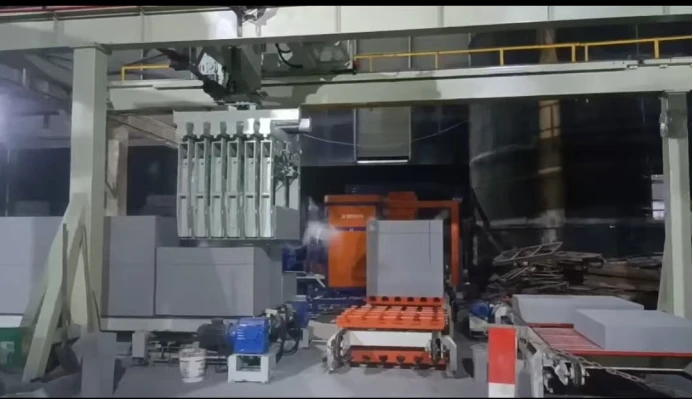
Aerated block equipment, Aerated block production line, Aerated block equipment, Aerated block production line
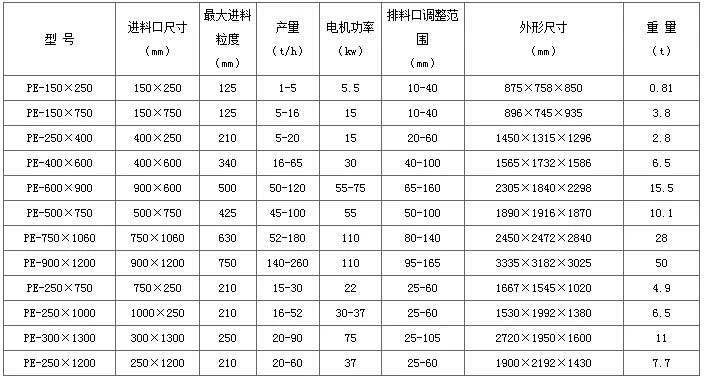
Main technical parameters of E-type crusher:
Hot Tags: jaw crusher machine, China jaw crusher machine manufacturers, suppliers, factory
Previous
No InformationNext
Pulping MixerYou Might Also Like
Send Inquiry