


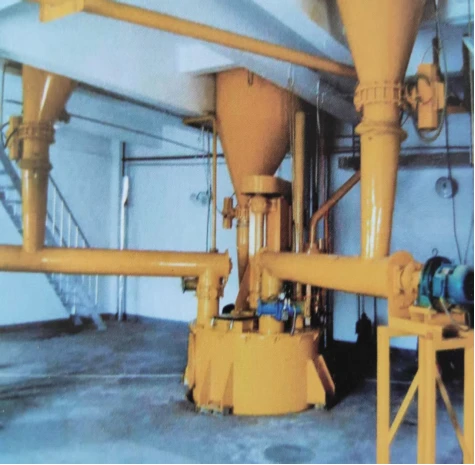
Ingredient Metering Tank
Ingredient pouring system for aerated block production line:
Automated control has been achieved from raw material grinding to slurry pouring. The domestic control system runs smoothly and reliably, ensuring stable pouring quality and easy adjustment, which is beneficial for improving the quality of aerated concrete products and equipment utilization.
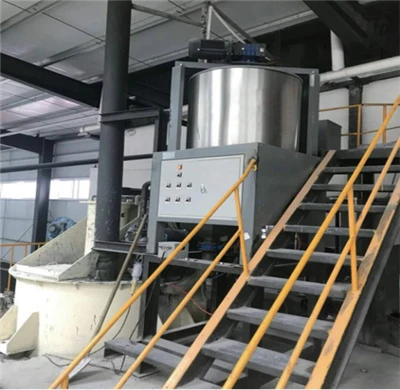
1. The pouring tower, also known as the batching pouring system, is the batching part of the aerated block production line. The workflow is as follows:
Firstly, three raw material tanks are used to transport cement, lime, and gypsum through a screw conveyor to the dry material weighing hopper for measurement. The proportions of various raw materials can be accumulated and measured using a semi-automatic control system, or automatically added and measured using a fully automatic PLC control system.
Coal ash or sand slurry will be directly transported to the slurry weighing hopper in the pouring building through pipelines. This measurement can also be divided into automatic and semi-automatic measurement.
After the three materials and slurry are measured, they are transported to the pouring mixing tank by a screw conveyor for mixing. At the same time, aluminum powder will be manually weighed and added.
2. Characteristic requirements:
The construction of pouring buildings can be divided into reinforced concrete structures and steel welded structures. The overall design principle is that the weighing capacity of this pouring building must reach 200 tons or more, and the additional weight capacity of the raw material tank should be designed to bear.
3. Composition
(1) Cast in place building frame (3 floors)
(2) One cement silo,
(3) 1 lime silo,
(4) 1 gypsum silo
(5) Cement lime gypsum weighing hopper
(6) Slurry weighing hopper
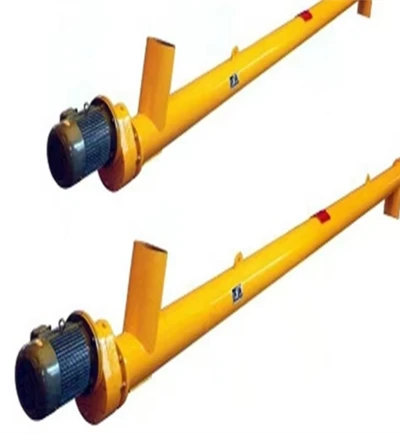
(7) Spiral conveyor
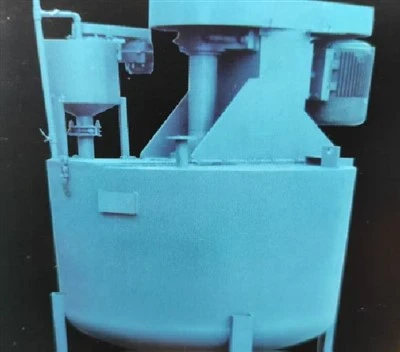
(8) Pouring mixer
Pouring batching system
Ingredient pouring system for aerated block production line:
Automated control has been achieved from raw material grinding to slurry pouring. The domestic control system runs smoothly and reliably, ensuring stable pouring quality and easy adjustment, which is beneficial for improving the quality of aerated concrete products and equipment utilization.
1. The pouring tower, also known as the batching pouring system, is the batching part of the aerated block production line. The workflow is as follows:
Firstly, three raw material tanks are used to transport cement, lime, and gypsum through a screw conveyor to the dry material weighing hopper for measurement. The proportions of various raw materials can be accumulated and measured using a semi-automatic control system, or automatically added and measured using a fully automatic PLC control system.
Coal ash or sand slurry will be directly transported to the slurry weighing hopper in the pouring building through pipelines. This measurement can also be divided into automatic and semi-automatic measurement.
After the three materials and slurry are measured, they are transported to the pouring mixing tank by a screw conveyor for mixing. At the same time, aluminum powder will be manually weighed and added.
2. Characteristic requirements:
The construction of pouring buildings can be divided into reinforced concrete structures and steel welded structures. The overall design principle is that the weighing capacity of this pouring building must reach 200 tons or more, and the additional weight capacity of the raw material tank should be designed to bear.
3. Composition
(1) Cast in place building frame (3 floors)
(2) One cement silo,
(3) 1 lime silo,
(4) 1 gypsum silo
(5) Cement lime gypsum weighing hopper
(6) Slurry weighing hopper
(7) Spiral conveyor
(8) Pouring mixer
Common faults and troubleshooting methods
Inaccurate ingredient measurement
Sensor malfunction
Sensor drift, damage, or loose wiring can cause distorted weighing values. Check if the wiring of the sensor is secure. If it is damaged, replace the sensor and calibrate the drifting sensor.
Improper parameter settings
When measuring, the system's precise measurement value and precision weighing time are too small or too short, which can cause the actual feeding amount to exceed the set value. Relevant parameters need to be readjusted to ensure the accuracy of measurement.
Mechanical component issues
If the cylinder moves slowly, it may be due to air leakage or low air pressure in the air circuit. The air circuit should be checked, the leaking area repaired, and the air pressure adjusted to the appropriate range.
Poor fluidity, fast thickening, and slow gas generation of the slurry
Inappropriate water to material ratio
A water to material ratio that is too small can result in low fluidity of the slurry. The water to material ratio can be appropriately increased to improve the fluidity of the slurry.
High pouring temperature
A higher pouring temperature will accelerate the thickening of the slurry. It can lower the pouring temperature to normalize the thickening and gas generation process of the slurry.
Excessive use of lime
Excessive use of lime will accelerate the thickening rate of the slurry. The amount of lime should be reduced and the proportion of ingredients should be adjusted.
Collapsed mold
Early mold collapse
Excessive water to material ratio, premature gasification of aluminum powder, and low pouring temperature can all lead to early mold collapse. This can be solved by reducing the water to material ratio, adding an appropriate amount of water glass to limit the gasification of aluminum powder, and increasing the pouring temperature.
Late stage mold collapse
Large fluctuations in lime quality, too fast dissolution rate, or mismatched lime cement ratio can cause later stage mold collapse. Methods such as lowering the pouring temperature, reducing the amount of lime, and increasing the amount of cement can be used to eliminate the problem.
The device cannot start or runs abnormally
-Power failure: Check the power circuit to confirm if the power is connected properly and if there are any issues such as open circuits or short circuits.
-Motor malfunction: Motor damage, bearing wear, etc. can cause the equipment to fail to start normally or produce abnormal noise during operation. It is necessary to check the insulation performance of the motor and the lubrication condition of the bearings. If there is any damage, the motor or bearings should be replaced in a timely manner.
-Control system malfunction: Controller software problems, control circuit failures, etc. may cause abnormal equipment operation. Can check whether the software version is compatible, reinstall or update the software, check whether the components of the control circuit are normal, repair or replace damaged circuit components.
Hot Tags: ingredient metering tank, China ingredient metering tank manufacturers, suppliers, factory
Previous
Screw ConveyorNext
No InformationYou Might Also Like
Send Inquiry