


Steam-cured Kettle
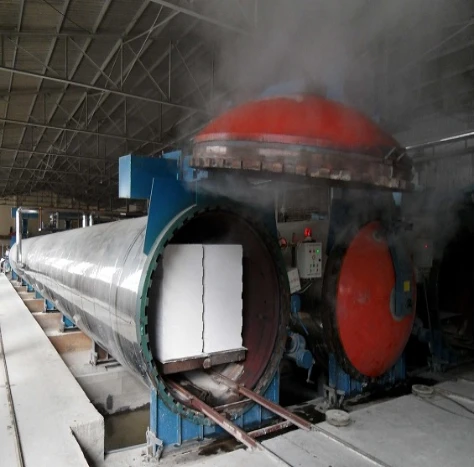
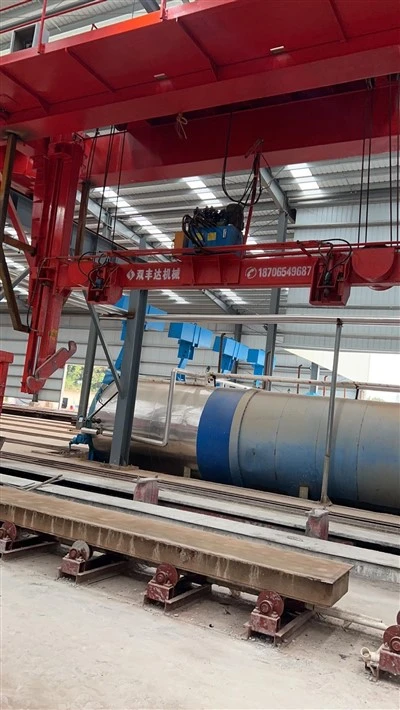
Autoclave (steam curing kettle) is the core equipment in the production line of aerated blocks. The steam pressure kettle adopts thermal control centralized control, which automatically controls temperature and pressure. The steam pressure kettle produced by our factory is a steel horizontal cylindrical device with reliable quality and stable performance.
Autoclave is a large-scale pressure vessel equipment used for steam curing of building products such as gray sand bricks, fly ash bricks, aerated concrete blocks, new lightweight wall materials, and concrete pipe piles. At present, autoclaves/steam curing kettles are not only used for silicate building products, but also for steam curing of products in chemical, pharmaceutical, rubber, wood, gypsum, glass, insulation materials, textile, military and other fields. This kettle is a steel horizontal cylindrical device, and the kettle cover is made of a single piece of 16MnR steel plate pressed. The kettle cover flange and kettle body flange are made of 16Mn integral forging processing. The welding joints of the pressure parts have undergone heat treatment and strict non-destructive testing in accordance with relevant standards. The door of the steam pressure kettle is a movable quick opening door structure, which can be opened and closed by hand cranked reducer, or can be opened and closed by electric, pneumatic, or hydraulic according to the user. Equipped with comprehensive safety interlock protection devices, it avoids potential hazards of misoperation and ensures the safe operation of the steam pressure vessel and the safe production of operators. There are two types of steam pressure kettle door openings for users to choose from: side opening and top opening. The side opening adopts a rotating arm type door opening structure. Flexible rotation, low position operation, easy and convenient opening; The upper opening adopts a lever type door opening mechanism, with the lower end of the lever connected to the kettle door and the upper end equipped with a counterweight device. This type of opening is lightweight and occupies less space on the kettle side.
Structure and Characteristics of Autoclave for Aeration Block Equipment
The steam pressure kettle of the gas block equipment in the picture is a steel horizontal cylindrical device. The kettle cover is made of a single piece of 16M nR steel plate pressed, and the kettle cover flange and kettle body flange are made of 16M n integral forging processing. The welds of the pressure parts have undergone heat treatment and strict non-destructive testing in accordance with relevant standards. The design pressure can reach 1 65MPa.
Application of Aeration Block Autoclave:
Used for high-temperature and high-pressure curing of the cut billet; It can also be used for high-temperature and high-pressure curing in the production of autoclaved bricks.
Safety Operating Procedures for Autoclave:
1, Operators must pass the assessment before they can operate independently, and illegal operations are strictly prohibited;
2, Operational process indicators:
Inlet and outlet: 0.5h; exhaust: 0.5h; pressure rise: 1.5h; pressure drop: 1.5h; working temperature up to 195 ℃; Constant pressure: 7 hours (1.3 MPa); Working pressure can reach: 1.3MPa
Operating procedure:
1. Load the products to be steamed, close the kettle lid, and allow the flange of the lid to enter the groove of the kettle body; Shake the reducer to rotate the kettle cover counterclockwise until it reaches the designated position; Lock the kettle cover with a safety chain pin; Pull the manual interlock handle to the closed position;
2. When the air pressure inside the cylinder is confirmed to be no less than 0.8 MPa, supply air into the kettle. Open the shut-off valve on the inlet pipe of the kettle flange, open the inlet shut-off valves on both sides of the kettle (to allow cooling water to enter the kettle) for 2-3 minutes, then close the inlet shut-off valves on both sides of the kettle, and open the sealing valve on the kettle cover to seal the kettle cover.
3. Open the main steam inlet valve to feed steam
Common faults and troubleshooting methods
Autoclave is the core equipment for producing aerated concrete blocks. Common faults are concentrated in sealing, valves, safety accessories, and abnormal operating status. The following are specific faults and corresponding troubleshooting methods:
1. Poor sealing of the kettle body (leakage)
-Fault manifestation: There is steam leakage around the kettle door or flange connection, the pressure gauge drops too quickly, and energy consumption increases.
-Common reasons:
1. The sealing strip is aging, deformed, or broken.
2. Scratches, corrosion, or foreign objects on the flange surface of the kettle door or body.
3. The clamping mechanism of the kettle door is loose and the pressure is insufficient.
-Exclusion method:
1. Replace the aging sealing strip to ensure that the model matches the kettle body.
2. Clean the foreign objects on the flange surface. Minor scratches can be polished with fine sandpaper, and in severe cases, the flange surface needs to be repaired.
3. Check the clamping mechanism (such as bolts, worm gears), tighten loose parts, adjust the clamping stroke to ensure even pressure.
2. Safety valve failure
Fault manifestation: The safety valve does not open when the pressure exceeds the set value, or leaks when the pressure is below the set value.
Common reasons
1. The valve core is stuck to the valve seat and obstructed by impurities.
2. Spring fatigue, deformation or fracture.
3. The safety valve calibration has expired and the set pressure is inaccurate.
Exclusion method
1. Disassemble the safety valve, clean the valve core and seat with kerosene, remove impurities, and grind the sealing surface.
2. Replace fatigued or damaged springs to ensure that the spring specifications match the safety valve.
3. Contact a professional organization to re calibrate the safety valve and determine the accurate set pressure.
Abnormal pressure gauge indication
-Fault manifestation: The pressure gauge pointer does not move, jumps, or the indicated value does not match the actual pressure.
-Common reasons:
1. The internal spring tube of the pressure gauge is damaged or blocked.
2. There are impurities blocking or leaking in the pressure transmission pipeline.
3. The pressure gauge has exceeded the calibration cycle and its accuracy has decreased.
-Exclusion method:
1. Replace the damaged pressure gauge and select a model with the required range and accuracy.
2. Clean the pressure transmission pipeline, blow away impurities with compressed air, check the pipeline joints and seal them.
3. Regularly send the pressure gauge to a measuring institution for calibration to ensure accurate indication.
Difficulty in opening/closing the kettle door
-Fault manifestation: The kettle door cannot rotate, clamp or release normally, and the operation is laborious.
Common reasons
1. The hinge or clamping mechanism of the kettle door is missing oil or rusted.
2. Wear and blockage of the worm gear transmission mechanism.
3. The deformation of the kettle body causes the kettle door to be misaligned with the flange surface.
Exclusion method
1. Apply lubricating grease to the hinge and clamping mechanism, and remove rust and impurities.
2. Check the wear of the worm gear, replace severely worn parts, and adjust the transmission clearance.
3. Stop the machine and check the deformation of the kettle body. Minor deformation can be compensated by adjusting the clamping mechanism, and in severe cases, the kettle body needs to be repaired.
Abnormal steam heating/lowering speed
-Fault manifestation: Slow heating in the autoclave, or inability to steadily decrease pressure during depressurization.
-Common reasons:
1. Inlet and exhaust valve cores
Common faults and troubleshooting methods
Autoclave is the core equipment for producing aerated concrete blocks. Common faults are concentrated in sealing, valves, safety accessories, and abnormal operating status. The following are specific faults and corresponding troubleshooting methods:
Poor sealing of the kettle body (leakage)
Fault manifestation: There is steam leakage around the kettle door or flange connection, the pressure gauge drops too quickly, and energy consumption increases.
Common reasons
1. The sealing strip is aging, deformed, or broken.
2. Scratches, corrosion, or foreign objects on the flange surface of the kettle door or body.
3. The clamping mechanism of the kettle door is loose and the pressure is insufficient.
Exclusion method
1. Replace the aging sealing strip to ensure that the model matches the kettle body.
2. Clean the foreign objects on the flange surface. Minor scratches can be polished with fine sandpaper, and in severe cases, the flange surface needs to be repaired.
3. Check the clamping mechanism (such as bolts, worm gears), tighten loose parts, adjust the clamping stroke to ensure even pressure.
Safety valve failure
-Fault manifestation: The safety valve does not open when the pressure exceeds the set value, or leaks when the pressure is below the set value.
-Common reasons:
1. The valve core is stuck to the valve seat and obstructed by impurities.
2. Spring fatigue, deformation or fracture.
3. The safety valve calibration has expired and the set pressure is inaccurate.
-Exclusion method:
1. Disassemble the safety valve, clean the valve core and seat with kerosene, remove impurities, and grind the sealing surface.
2. Replace fatigued or damaged springs to ensure that the spring specifications match the safety valve.
3. Contact a professional organization to re calibrate the safety valve and determine the accurate set pressure.
Abnormal pressure gauge indication
Fault manifestation: The pressure gauge pointer does not move, jumps, or the indicated value does not match the actual pressure.
Common reasons
1. The internal spring tube of the pressure gauge is damaged or blocked.
2. There are impurities blocking or leaking in the pressure transmission pipeline.
3. The pressure gauge has exceeded the calibration cycle and its accuracy has decreased.
Exclusion method
1. Replace the damaged pressure gauge and select a model with the required range and accuracy.
2. Clean the pressure transmission pipeline, blow away impurities with compressed air, check the pipeline joints and seal them.
3. Regularly send the pressure gauge to a measuring institution for calibration to ensure accurate indication.
Difficulty in opening/closing the kettle door
-Fault manifestation: The kettle door cannot rotate, clamp or release normally, and the operation is laborious.
-Common reasons:
1. The hinge or clamping mechanism of the kettle door is missing oil or rusted.
2. Wear and blockage of the worm gear transmission mechanism.
3. The deformation of the kettle body causes the kettle door to be misaligned with the flange surface.
-Exclusion method:
1. Apply lubricating grease to the hinge and clamping mechanism, and remove rust and impurities.
2. Check the wear of the worm gear, replace severely worn parts, and adjust the transmission clearance.
3. Stop the machine and check the deformation of the kettle body. Minor deformation can be compensated by adjusting the clamping mechanism, and in severe cases, the kettle body needs to be repaired.
Abnormal steam heating/lowering speed
Fault manifestation: Slow heating in the autoclave, or inability to steadily decrease pressure during depressurization.
Common reasons
1. Inlet and exhaust valve cores Blockage and insufficient opening.
2. Steam pipeline blockage or insufficient steam pressure.
3. The drain valve fails, causing water accumulation in the kettle and affecting heat exchange.
Exclusion method
1. Check the inlet valve and exhaust valve, clean the impurities in the valve core, and replace the valve if necessary.
2. Check the steam pipeline, remove blockages, and contact the boiler room to ensure stable steam pressure.
3. Disassemble the drain valve, clean the internal components, replace the damaged drain valve, and ensure the normal discharge of condensed water.
Hot Tags: steam-cured kettle, China steam-cured kettle manufacturers, suppliers, factory
Previous
Steaming CartNext
No InformationYou Might Also Like
Send Inquiry