


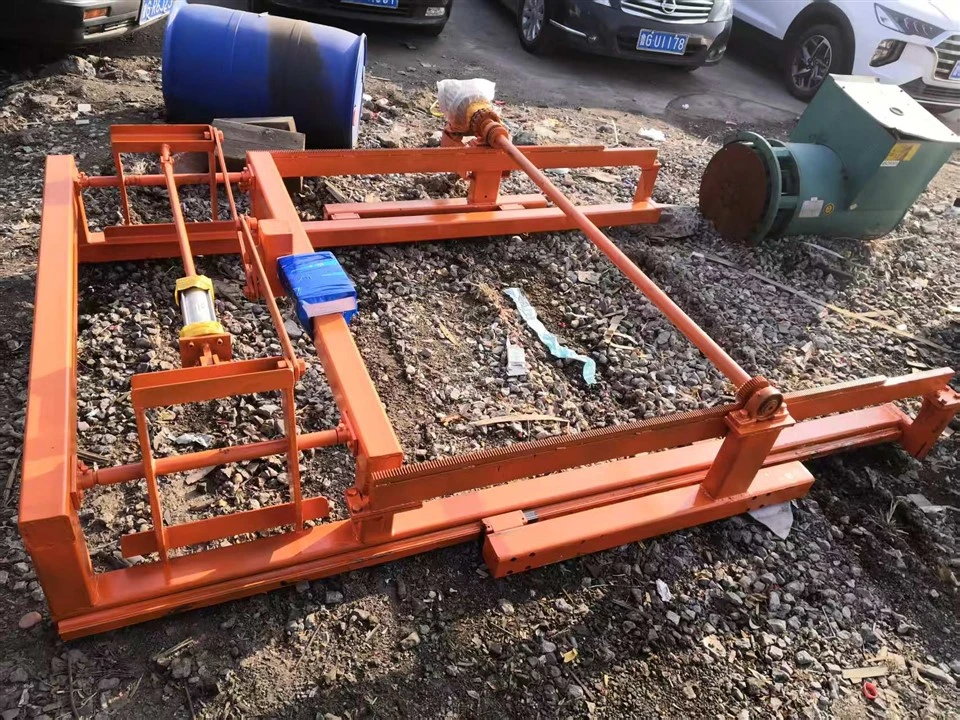

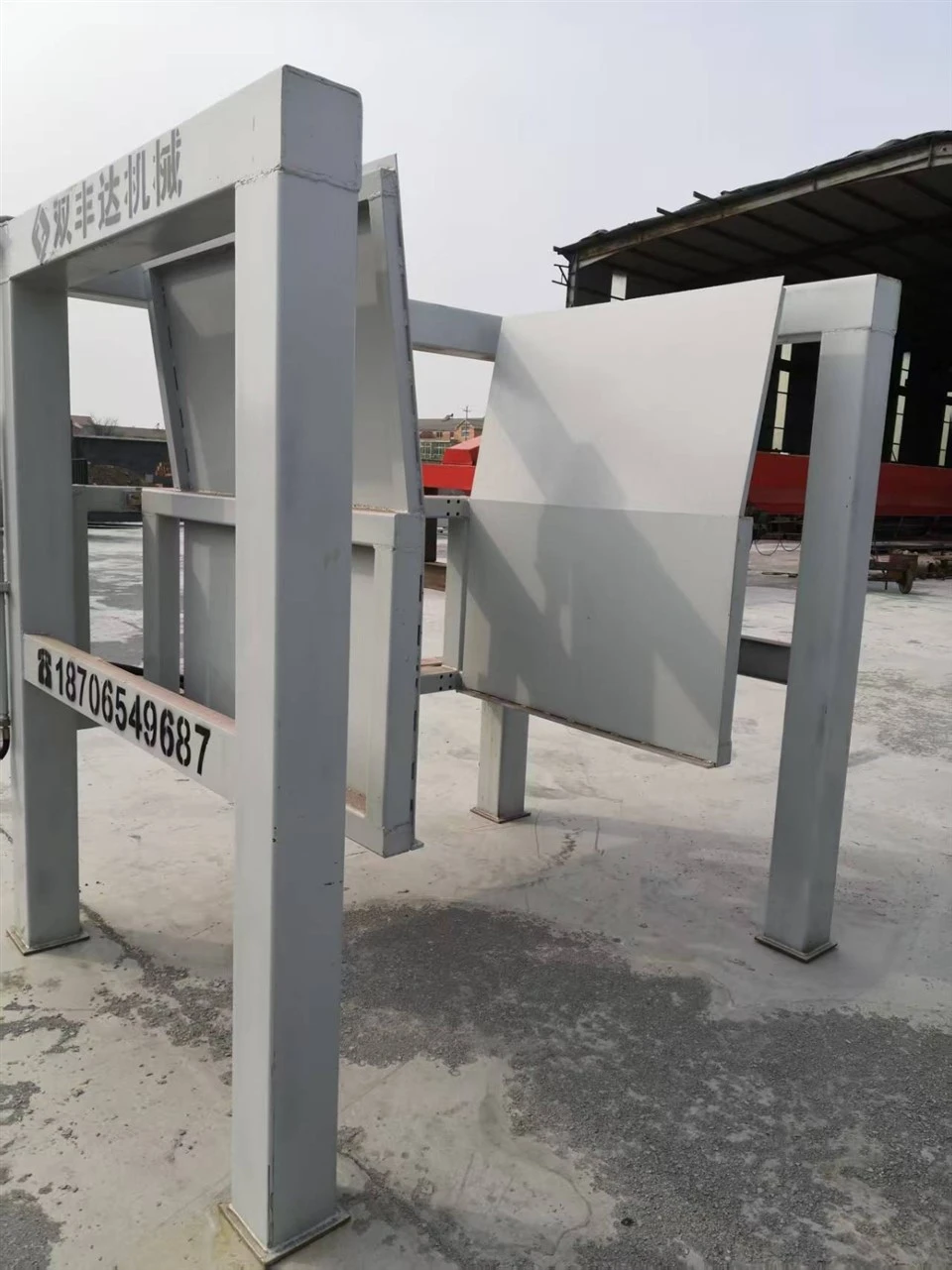
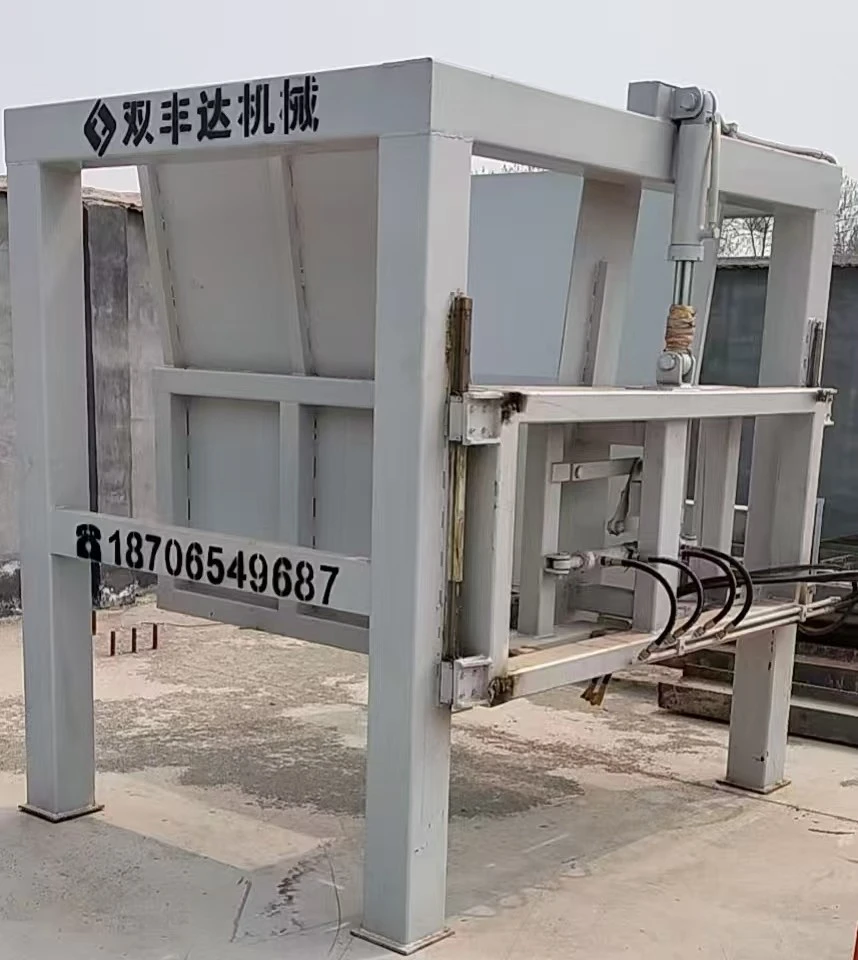
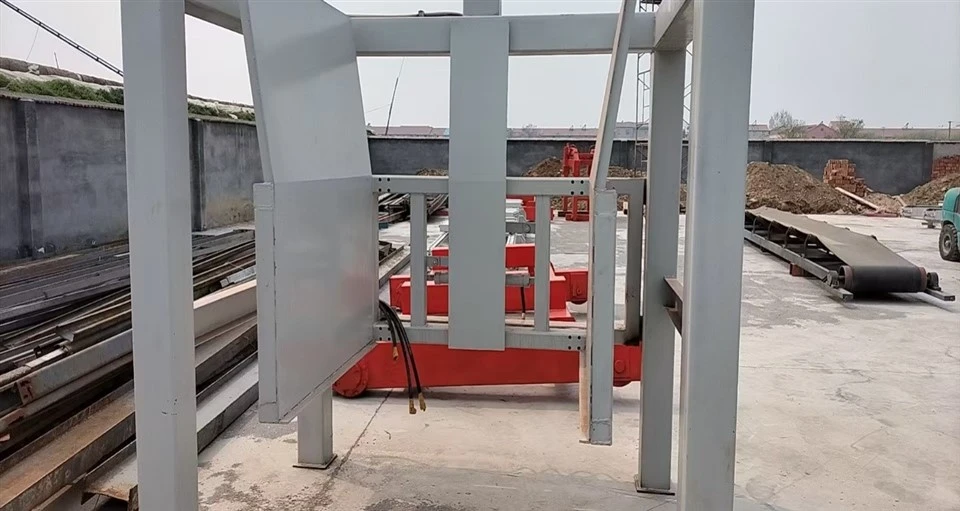
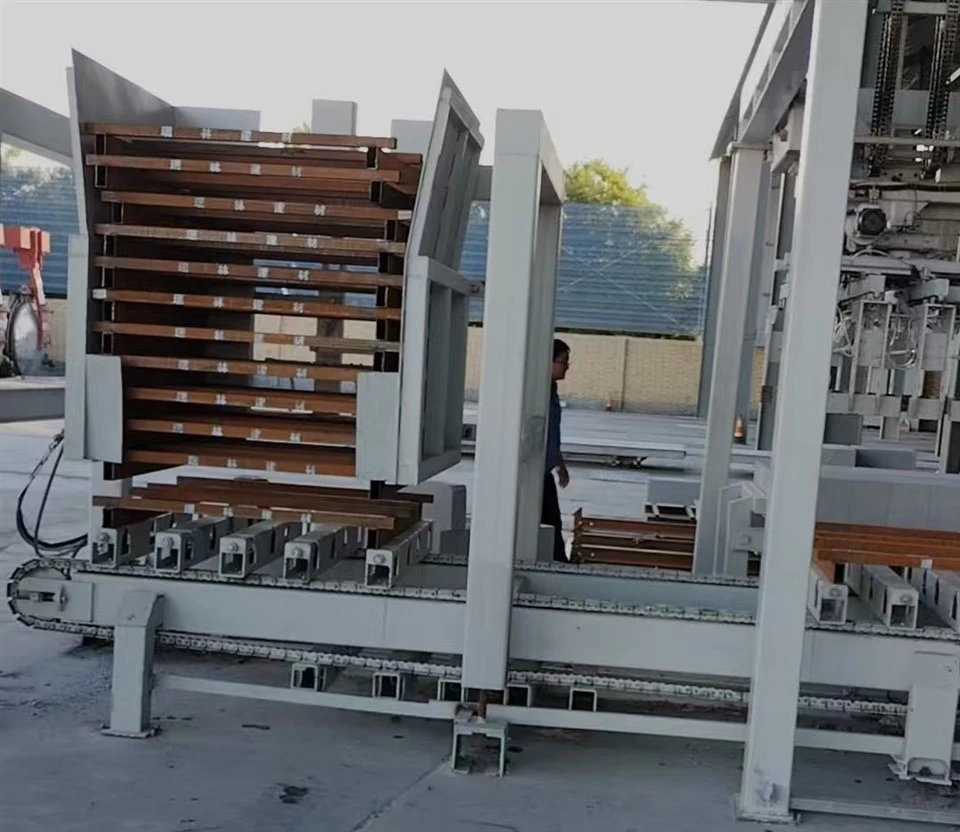
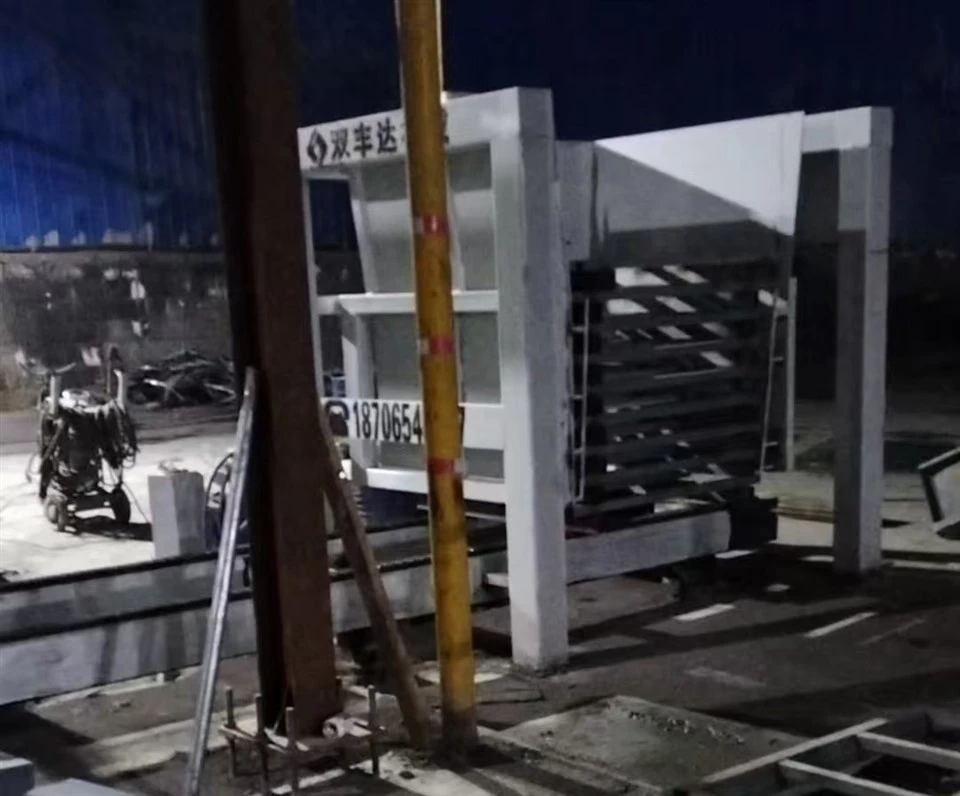
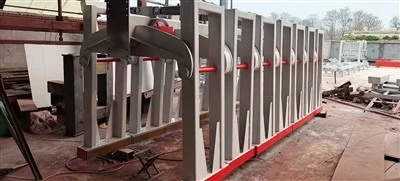
Automatic Pallet Delivery Station
Function
Automatic storage tray
It can store a certain number of empty trays in a centralized manner (usually in a stacked state), reducing the need for frequent manual handling of trays.
Accurate placement of trays
According to the requirements of the packaging line's rhythm, a single empty tray is accurately transported to the designated position for block packaging (such as the feeding end of the packaging machine, the starting position of the conveyor belt, etc.), providing a basic load-bearing platform for subsequent block stacking and packaging.
Main components
Tray storage rack
Used for stacking and storing empty trays, the structure is mostly frame type, and the height and width are designed according to the tray size to ensure stable stacking of trays. Some storage racks are equipped with anti tipping devices.
Tray separation mechanism
One of the core components, which separates the bottom single tray of stacked trays from the upper tray through hydraulic mechanical devices, push plates, or lifting separation devices (such as oil cylinder driven pallets), to avoid tray adhesion and multi piece placement.
Conveyor device
Including conveyor belts (such as roller conveyor belts, chain conveyor belts) or transplanting mechanisms, which smoothly transport the separated individual trays to the target placement position, and the conveying speed can match the pace of the packaging line.
Control system
Usually linked with the main control system of the packaging line, it detects the storage capacity of the pallet and whether the target position needs the pallet through sensors (such as photoelectric sensors, proximity switches), automatically triggers separation and conveying actions, and achieves unmanned operation.
Workflow
Tray Supply
Manually or forklift place stacked empty trays onto the storage rack to complete the initial supply.
01
Signal Triggering
When the target position of the packaging line (such as the position where the blocks are about to be stacked) detects no tray, a demand signal is sent to the dispensing station.
02
Tray Separation
After receiving the signal, the control system activates the separation mechanism to separate the individual trays at the bottom of the storage rack from the stacking section.
03
Conveyor Placement
The separated trays are transported by the conveyor device to the designated location, and after arrival, a "Placement Completed" signal is fed back through a sensor.
04
Loop Operation
Repeat the above steps until there are insufficient trays on the storage rack. At this point, the control system can issue a "tray replenishment reminder" to prompt manual addition of trays.
05
Main advantages
Improve efficiency
Avoid waiting time for manual placement of pallets, and continuously supply pallets according to the pace of the packaging line, adapting to the fast-paced demand of block production.
Reduce labor costs
Reduce the manpower input for specialized personnel to handle and place pallets, and lower labor intensity.
Accurate placement
Through mechanical structure and sensor control, the tray placement position error is small, avoiding the impact of tray offset on subsequent block stacking and packaging quality.
Strong adaptability
The storage rack and separation mechanism parameters can be adjusted according to different sizes of aerated concrete block trays (such as standard or customized sizes) to meet various production needs.
Through the application of automatic pallet dispensing stations, the packaging process of finished aerated concrete blocks can achieve a coherent and automated operation of "pallet supply block stacking packaging", which is one of the important equipment for improving the intelligence level of production lines.
Main technical parameters
1. Model size: 1200 * 1200/1200 * 1400
2. Mass: 2000 kilograms
3. Power: 4KW
4. Power system: hydraulic or pneumatic
Common faults and their solutions
Mechanical faults
Tray conveying card stuck
-Fault phenomenon: The tray is stuck in the conveyor track, unable to move forward or backward, and the equipment makes abnormal noises.
-Common reasons: There are foreign objects inside the track (such as gas block debris, screws, etc.); Tray deformation or edge warping; The roller conveyor bearings are damaged and stuck.
-Solution: After shutting down the machine and cutting off the power, clean up any foreign objects inside the track; Check the tray and replace the severely deformed tray; Disassemble and inspect the roller bearings, replace damaged parts, and apply lubricating oil.
Unstable pallet grabbing / detachment
-Fault phenomenon: The grasping mechanism cannot clamp the tray, or the tray falls off during the movement after grasping.
-Common reasons: severe wear or displacement of the grasping claw; Insufficient pressure in the gripping cylinder; The sensor did not accurately detect the position of the tray.
-Solution: Replace the worn gripper and adjust the position of the gripper to match the tray; Check the air source pressure and adjust the cylinder pressure to the standard value (usually 0.4-0.6MPa); Calibrate the position sensor to ensure it can accurately identify the edge of the tray.
Offset of placement location
-Fault phenomenon: When the tray is placed on the aerated block mold, its position deviates from the preset area, affecting subsequent stacking.
-Common reasons: Improper adjustment of the spacing between conveyor tracks; Positioning cylinder stroke deviation; Servo motor parameter error.
-Solution: Measure the size of the tray and readjust the track spacing; Check the positioning cylinder, replace damaged sealing rings or adjust the travel limit; Enter the device control system and calibrate the operating parameters of the servo motor.
Electrical Faults
Sensor has no signal / false alarm
-Fault phenomenon: The photoelectric sensor or proximity switch does not detect the tray (no signal), or falsely reports the presence of a tray when it is not placed.
-Common reasons: The sensor surface is covered with dust and oil stains; Loose or offset installation position of sensors; Poor or damaged contact of sensor circuit.
-Solution: Wipe the surface of the sensor with a dry cloth to remove stains; Re fix the sensor, adjust the detection angle and distance; Check the power and signal wires of the sensor, replace poorly connected connectors or damaged sensors.
The control system is unresponsive
-Fault phenomenon: There is no response when the operation panel button is pressed, and the device cannot start or stop.
-Common reasons: power switch tripping inside the control cabinet; PLC module malfunction; The wiring on the control panel is loose.
-Solution: Check the power supply of the control cabinet, reset the trip switch; Check the status of the PLC indicator light. If it is abnormal, restart the device. If it is ineffective, contact technical personnel to replace the module; Open the control panel and unplug the circuit connector again.
Motor not running / abnormal noise
-Fault phenomenon: The oil pump motor does not rotate or makes abnormal noise when running.
-Common reasons: The motor power supply is not connected; Motor bearings lack oil or are damaged; Motor overload, thermal relay tripping.
-Solution: Check the motor power cord to ensure proper connection; Disassemble the motor, add lubricating oil or replace the bearing; Check the thermal relay, reset the trip button, and investigate whether overload is caused by excessive load.
Hydraulic faults
Slow/weak hydraulic action
-Fault phenomenon: The gripping cylinder or positioning cylinder has a slow expansion speed and cannot reach the preset force.
-Common reasons: Insufficient oil pump pressure; The sealing ring inside the oil cylinder is aging and worn.
-Solution: Check the pressure of the hydraulic pump and adjust it to the required value of the equipment; Disassemble the cylinder and replace the aging sealing ring.
Electromagnetic valve malfunction
-Fault phenomenon: After the solenoid valve is powered on, the oil cylinder does not move or moves incorrectly.
-Common reasons: burnt out solenoid valve coil; The valve core is stuck by impurities; The wiring of the solenoid valve is incorrect.
-Solution: Use a multimeter to check the coil resistance. If it is infinite, replace the coil; Disassemble the solenoid valve and clean the impurities in the valve core; Refer to the wiring diagram and reconnect the solenoid valve circuit.
Hot Tags: automatic pallet delivery station, China automatic pallet delivery station manufacturers, suppliers, factory
You Might Also Like
Send Inquiry